TEENAGE PREGNANCY CAMPAIGN
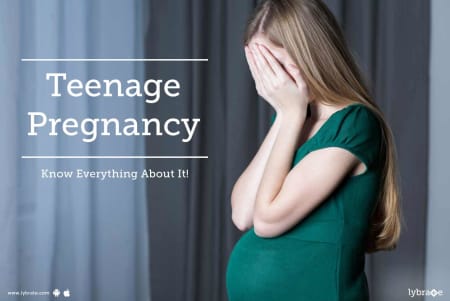
Early pregnancy is one of the pressing issues Filipino youths are facing today. The Philippines has one of the highest teenage pregnancy rates among the ASEAN member states despite the decrease of total live births of teenage mothers (aged 10-19) in 2016 (203,085) to 183,000 in 2019. According to the Commission on Population and Development (PopCom), the Philippines has recorded a 7% increase in births among girls aged 15 and below in 2019. Filipino minors who gave birth in 2019 increased to 62,510 from 62,341 in 2018. In 2019, 2,411 very young adolescents aged 10 to 14 gave birth, or almost seven every day. One in three births among minors occurred in the three regions of Calabarzon with 8,008, National Capital Region with 7,546, and Central Luzon with 7,523 births. Outside Luzon, the highest number of minors who gave birth were in Northern Mindanao with 4,747 cases, Davao Region with 4,551, and Central Visayas with 4,541.
Early childbearing may result in poor health outcomes and may be a threat to the country’s economic growth. Pregnant adolescents are less likely to complete higher education and have lesser ability to earn more income over the course of a lifetime, causing economic losses to the country. According to the National Demographic and Health Survey (NDHS 2017) of the Philippine Statistics Authority (PSA), the percentage of young women who have begun childbearing is lower in urban areas than in rural areas (7% versus 10%). Young women with some primary education and those from the poorest households are more likely to have begun childbearing than young women with higher education levels and those from the wealthiest households.
Pregnancy during teenage years is also associated with a higher risk of health problems such as preeclampsia, anemia, contracting STDs (sexually transmitted diseases), premature delivery, postpartum hemorrhage, and poor mental health outcomes. Teenage mothers are more likely to experience violence and depression that can increase the risk of mental disorders. Mothers with poor maternal health are more likely to give birth to a low birth-weight baby, with inadequate complementary feeding and breastfeeding, frequent infections, and inadequate food, health and care, the low birth-weight baby will grow as a stunted child, a stunted teenager, and finally to a malnourished pregnant woman who, in turn, has another low-birth-weight baby, and the cycle persists through generations. Their body may compete with developing fetuses being carried for nutrition and may not be psychologically ready to nurse babies after delivery since some pregnancy among teenagers is either unintended or unwanted. Lack of knowledge on nutrition can also lead to poor health outcomes.
HOW TO PREVENT THE PREGNANCY AS A TEEN:

Start by educating yourself about how pregnancy starts. Many studies have found that the better education you have regarding how sex and pregnancy work, the better able you will be to make good decisions regarding sex. You can find lots of high quality information online using sources like Mayo Clinic and Wikipedia.
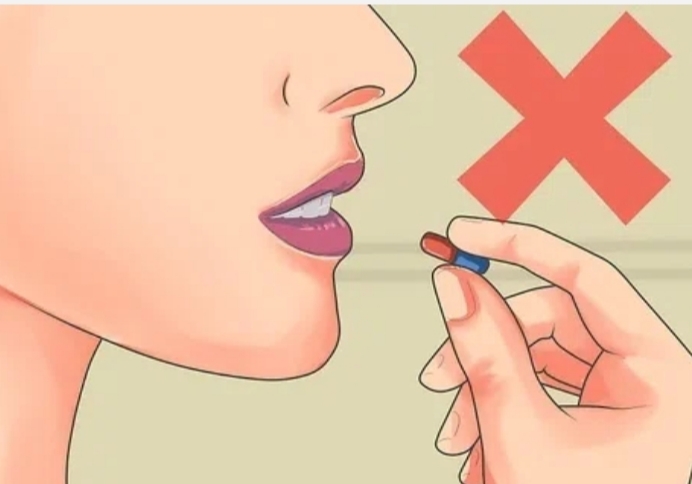
There are lots of myths about how you can get pregnant. If you know the truth from the facts, you’ll be much better able to protect yourself. Remember, when it doubt, play it safe. It’s better to wait until you have proper protection than risk getting pregnant because of something you read on Tumblr.
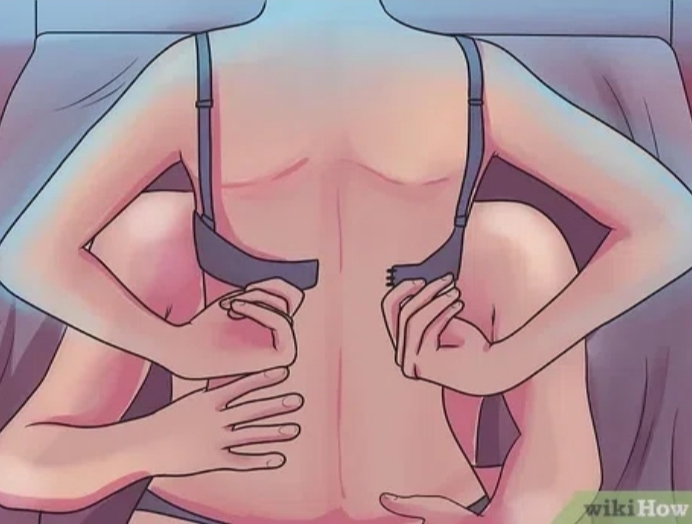
We don’t want to sound like that guy at your church, but abstinence really is your best bet at not getting pregnant. Even the most effective forms of birth control only work most of the time. If you want to guarantee that you won’t get pregnant, find other ways of getting sexual release that don’t involve penetration.
BY: VAL HAROLD C. TUBIGON

 Val's personal blog